



Subscribe to our weekly newsletter HERE.
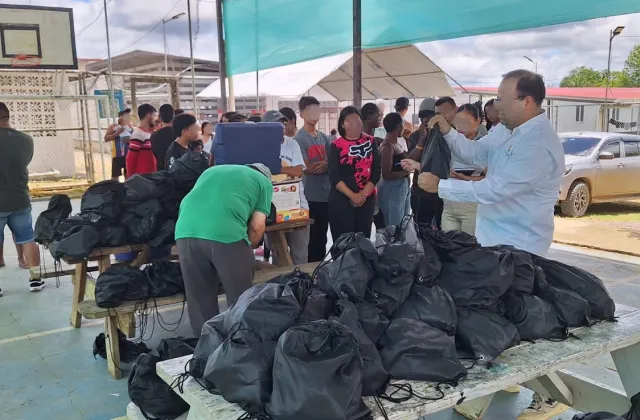
Responding to a Growing Migration Crisis in Panama
As violence, displacement, and political instability continue to reshape the Americas, people across the region remain determined to find safety for themselves and their families. No immigration crackdown can erase that reality.
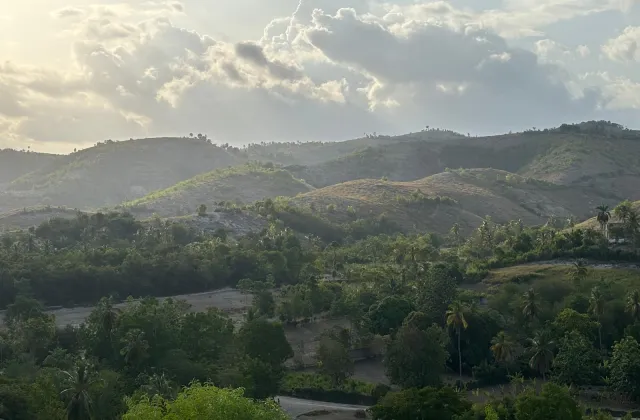
Haiti Cherie
There is sunshine, nice rivers and great drinks
Underneath the trees, you'll always find great shade
Where you'll find a gentle breeze to keep you cool
Haiti, is a country dear to me
Excerpted from a 1925 poem by Othello Bayard
Report from Camp Caritas
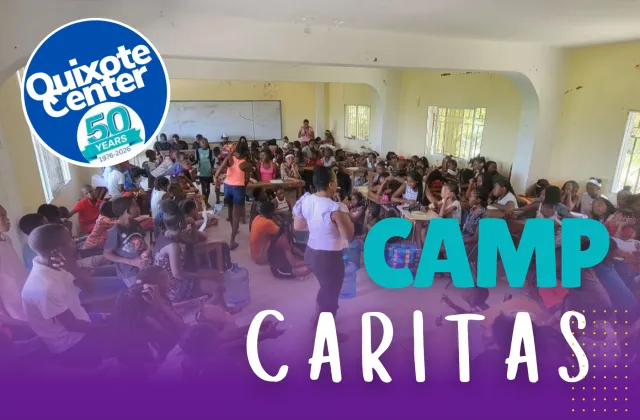
This July, with support from Quixote Center, the Caritas Committee of Lachandle Parish in Gros Morne, Haiti, organized a three-week summer camp for children in the community, many who have been displaced by armed gang violence in Port-au-Prince and the Artibonite region. When school is out for the summer, it is prime recruitment time for armed groups. Creating safe community spaces for children is essential. And so, Camp Caritas was formed.
The plan was for 100 children. By the third day, 129 children were attending and by the end of camp that number had grown to 153.
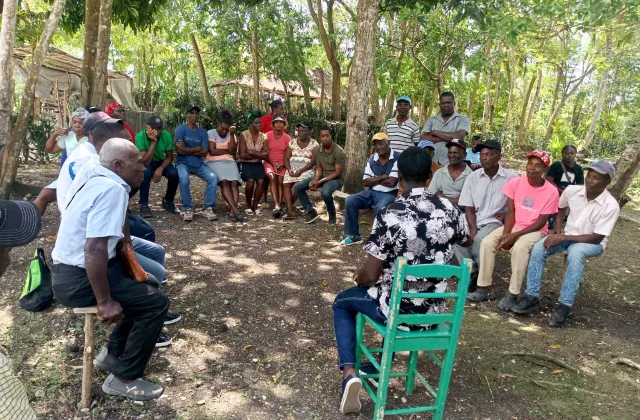
Seeds, Goats and Loans: Investing in Rural Haiti
Strengthening the Solidarity Economy Model in Southern Haiti
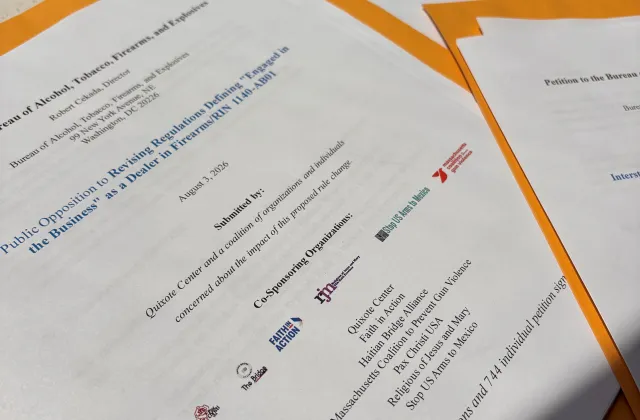
Press Release: Opposing Proposed ATF Rule Changes that Would Increase the Flow of US Weapons to Haiti, Mexico and across Latin America
FOR IMMEDIATE RELEASE
Quixote Center Leads Coalition Opposing Proposed ATF Rule Changes that Would Increase the Flow of U.S. Weapons to Haiti, Mexico and across Latin America.

Immigration Policy Update: Debunking Myths and Mapping the Way Forward
There is nothing wrong with wanting a secure border. It is an essential function of a country to be able to choose who may enter and remain within its confines, but that is only the first of many layers that make this issue so complex. As the previous blogs explained, the issue also includes who is being allowed into the country, the prioritization of white South African Afrikaners over all other refugee groups, and the revocation of legal protections for people who entered through established humanitarian pathways, forcing many to return to countries that remain unsafe.
Immigration Policy Update: Dehumanization, Detainment & Deportation
In 2019, an anonymous Border Patrol agent told CBS News, “Two things hit you right off the bat, the moment you open or walk through these doors … you hear kids crying and simultaneously, you get hit with the smell of people that have been there for too long.” The conditions in these detention centers and the state of immigration enforcement have only worsened since then.

U.S. Immigration Policy Update: The Bans and Barriers to Entry
U.S. immigration policy is a mess. This has been true for some time, but current admissions policies have placed the ailing system on life support. The administration has taken an aggressive approach to curtailing legal immigration and existing humanitarian pathways while also stripping status from people who are already here through legal, protective pathways.

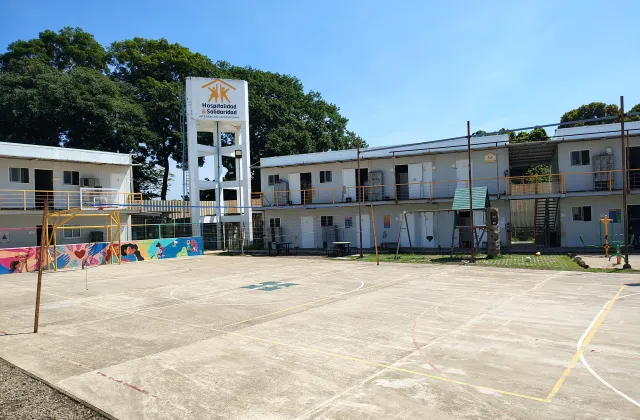
Trapped in Tapachula: The Human Cost of Migration Limbo
During the final days of Quixote Center’s trip to southern Mexico, we visited Tapachula, Chiapas, just 30 minutes from the Guatemalan border. Over the past several years, Tapachula has become a major immigration processing hub. Because the United States has all but halted processing of asylum and refugee applications, significant numbers of migrants are choosing to stay in Mexico, either permanently, or until they can enter the United States.
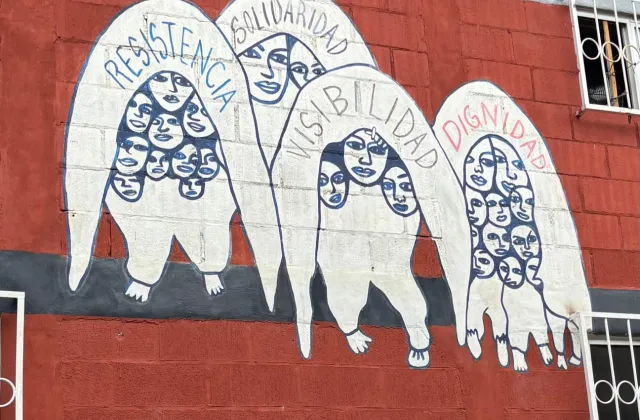
From Mexico: The Excluded (blog 2 of 3)
Quixote Center staff spent 5 days in southern Mexico a few weeks ago to see for ourselves how US border policies are impacting the rest of the Americas.
On our second day we traveled to Tenosique, in the State of Tabasco, located near the border with Guatemala. Tenosique is home to the La72 migrant shelter, a member of the Franciscan Network on Migration and long-term Quixote Center collaborators.
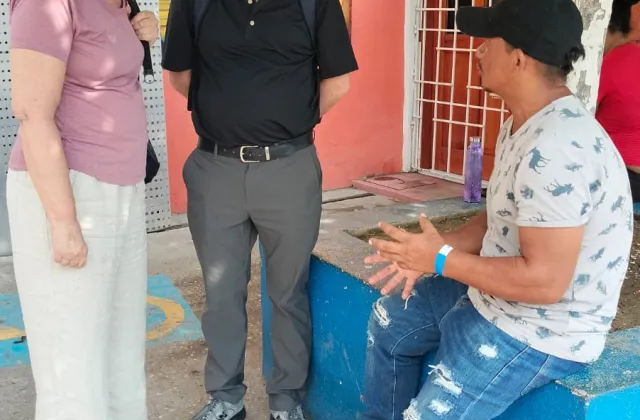
US Deportation of Elderly Cubans to Mexico Creates a Humanitarian Crisis
From May 27 to June 3, Quixote Center traveled to southern Mexico to meet with local partners and assess the human impact of the United States' increasingly aggressive immigration enforcement policies, including mass detention and deportation.
What we witnessed was a growing humanitarian crisis, one that is leaving thousands of vulnerable people stranded, homeless, and without support.